Must-See Exhibits at the Natural History Museum, London


Blogs
Central Park is an 843-acre urban park in the heart of Manhattan and the most visited urban park in the United States, welcoming over 42 million visitors each year. Designed by Frederick Law Olmsted and Calvert Vaux in 1858, the park stretches 2.5 miles from 59th Street to 110th Street and offers dozens of landmarks, seasonal events, and outdoor activities. Whether you have two hours or an entire day, this guide covers the best things to see and do in Central Park.
From Bethesda Fountain and Strawberry Fields to free summer concerts and winter ice skating, Central Park provides a year-round escape from the pace of the city. It's also one of the most filmed locations in the world, and a walk through its paths offers a deeper appreciation for the landscape architecture, public art, and cultural traditions that define New York City.
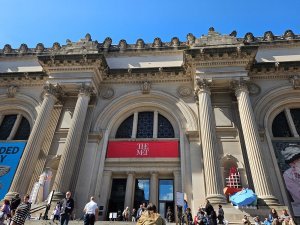
Central Park is more than a green space. It is a National Historic Landmark, a cultural institution, and the backdrop to countless New York moments. The park contains 58 miles of walking paths, 36 bridges and arches, approximately 18,000 trees across 170 species, and eight man-made lakes and ponds. These features create a remarkably diverse landscape that has served as a sanctuary for New Yorkers and visitors since the park first opened to the public in 1858.A visit to Central Park also provides valuable context for other New York experiences. The park borders the Metropolitan Museum of Art on its eastern edge, and many visitors combine a walk through the park with a guided tour of the Met. The relationship between the park's designed landscapes and the art and architecture of the surrounding city is one of the things that makes Central Park essential rather than optional on an NYC itinerary.
The Central Park Conservancy, a nonprofit organization that has managed the park since 1998, invests nearly $100 million annually in its care. That investment is visible in the quality of the park's gardens, paths, and restored structures, all of which contribute to an experience that feels both historic and meticulously maintained.
Central Park's 843 acres contain dozens of landmarks, but a handful of attractions are essential for any first-time visitor. The five sites below offer the best introduction to the park's beauty, history, and design.
| Attraction | What Makes It Notable | Best For |
| Bethesda Terrace & Fountain | Architectural centerpiece with the Angel of the Waters sculpture | Photography, history |
| Strawberry Fields | 2.5-acre John Lennon memorial with the "Imagine" mosaic | Quiet reflection |
| The Ramble | 38-acre woodland with 230+ recorded bird species | Nature walks, bird watching |
| Belvedere Castle | 1869 castle with panoramic views from Vista Rock | Scenic views, families |
| The Mall & Literary Walk | Quarter-mile elm-lined promenade with literary statues | Strolling, culture |
Bethesda Terrace is the architectural centerpiece of Central Park. The two-level terrace features intricate stone carvings and a lower arcade with a restored Minton tile ceiling. At its center stands the Angel of the Waters statue atop Bethesda Fountain, one of the most recognized sculptures in New York City. The fountain was designed by Emma Stebbins in 1868 and commemorates the 1842 opening of the Croton Aqueduct, which first brought fresh water to the city.
This area is a natural gathering point and one of the most photographed locations in the park. It sits at the southern end of The Lake, with views toward Bow Bridge and the wooded shoreline beyond.
Strawberry Fields is a peaceful 2.5-acre section of the park dedicated to the memory of musician and peace activist John Lennon. Located on the west side near 72nd Street, directly across from the Dakota apartment building where Lennon lived, the memorial was designed by landscape architect Bruce Kelly and dedicated in 1985.
Its centerpiece is the black-and-white "Imagine" mosaic, a gift from the city of Naples, Italy. Visitors often leave flowers and tributes on the mosaic, making it one of the most visited and emotionally resonant spots in the park. It is a quiet, contemplative space that draws fans and travelers from around the world.
The Ramble is a 38-acre woodland in the center of the park, designed by Olmsted and Vaux to feel like a wild, natural landscape. Its winding paths, rustic stone bridges, and dense tree canopy create a sense of seclusion that feels far removed from Manhattan.
The Ramble is also one of the premier bird-watching locations in the United States. Over 230 species have been recorded here, particularly during the spring and fall migration seasons. For visitors interested in the natural history of the park, a guided walking tour of Central Park can provide expert context on the ecology and design behind this remarkable landscape.
Belvedere Castle sits atop Vista Rock, the second-highest natural elevation in Central Park. Designed by Calvert Vaux in 1869, the miniature castle was originally built as a decorative folly to enhance the park's scenery. It now serves as a visitor center and houses a weather station operated by the National Weather Service.
The castle offers panoramic views of the Great Lawn to the north, the Delacorte Theater below, and Turtle Pond at its base. It is one of the park's five official visitor centers and a rewarding stop for families and anyone interested in the park's design history.
The Mall is a grand, quarter-mile promenade and one of only two straight paths in the entire park. It is shaded by one of the largest and last remaining stands of American elm trees in North America, forming a dramatic canopy overhead.
At the southern end of The Mall is the Literary Walk, lined with statues of prominent writers and poets including William Shakespeare, Robert Burns, and Sir Walter Scott. This formal, elegant walkway was designed to be the park's primary social gathering space and remains one of its most atmospheric stretches.
Beyond the top five, Central Park is filled with landmarks that reward a longer or repeat visit. Each offers a distinct perspective on the park's character.
Bow Bridge is a 60-foot cast-iron bridge spanning The Lake, widely considered one of the most romantic and photographed spots in New York City. Its graceful design and views of the water and skyline make it a must-see for any visitor.
Sheep Meadow is a 15-acre lawn on the park's west side that was originally home to a flock of sheep grazing here until 1934. Today it is a designated quiet zone and one of the most popular spots for picnicking, sunbathing, and relaxing on warm days. It can accommodate thousands of visitors on a summer weekend.
Conservatory Garden is the only formal garden in Central Park. This six-acre space is divided into three distinct sections inspired by French, Italian, and English garden design. It is especially beautiful during the spring tulip bloom and the autumn chrysanthemum display, and it offers a quieter, more refined atmosphere than the rest of the park.
Central Park Zoo is a compact zoo managed by the Wildlife Conservation Society, home to animals from tropical, temperate, and polar environments. Its manageable size makes it well-suited for a short visit, and the Tisch Children's Zoo next door is a favorite for younger visitors.
Jacqueline Kennedy Onassis Reservoir covers 106 acres in the northern half of the park and is encircled by a 1.58-mile running and walking track. The track offers some of the best skyline views in the park and is a popular route for joggers and walkers year-round.
Central Park's character shifts dramatically with the seasons, and each time of year brings its own set of activities and visual appeal.
| Attraction | What Makes It Notable | Best For |
| Bethesda Terrace & Fountain | Architectural centerpiece with the Angel of the Waters sculpture | Photography, history |
| Strawberry Fields | 2.5-acre John Lennon memorial with the "Imagine" mosaic | Quiet reflection |
| The Ramble | 38-acre woodland with 230+ recorded bird species | Nature walks, bird watching |
| Belvedere Castle | 1869 castle with panoramic views from Vista Rock | Scenic views, families |
| The Mall & Literary Walk | Quarter-mile elm-lined promenade with literary statues | Strolling, culture |
As temperatures rise, Central Park comes alive with blooming cherry and magnolia trees, and the Conservatory Garden enters its most colorful period. Spring is also when bird migration peaks in The Ramble, drawing birders from across the region. It is an ideal time for a Central Park guided walking tour to experience the landscape at its most vibrant.
Summer is the season of outdoor performance in Central Park. Shakespeare in the Park presents free productions at the Delacorte Theater, typically running from June through August. SummerStage, a free concert series held in the park since 1986, features a diverse lineup of music, dance, and spoken word. The New York Philharmonic also performs free concerts on the Great Lawn each summer.
For active visitors, rowboat rentals on The Lake are available for approximately $25–$30 per hour. The Central Park Dance Skaters Association hosts free roller-skating sessions at the Skate Circle most Saturdays and Sundays from April through October, from 2:45 PM to 6:45 PM.
Autumn brings some of the most stunning scenery in the park. The foliage typically peaks in late October, when the elms, oaks, and maples turn vivid shades of red, orange, and gold. The 1.58-mile track around the Jacqueline Kennedy Onassis Reservoir is particularly beautiful during this period, with unobstructed views of the changing canopy and the city skyline.
The cooler weather and thinner crowds also make fall an excellent time for longer walks and photography.
When snow falls, Central Park transforms into a quiet, picturesque winter landscape. Ice skating at Wollman Rink, with the Midtown skyline as a backdrop, is one of the most iconic winter activities in New York City. The park's paths are less crowded during the colder months, offering a more peaceful experience for those willing to bundle up.
Central Park is open daily from 6:00 AM to 1:00 AM and is free to enter. The park is accessible from numerous entrances along its perimeter, with major entry points at Columbus Circle (southwest corner), Grand Army Plaza (southeast corner at 59th Street and Fifth Avenue), and the entrances at 72nd, 79th, and 96th Streets on both the east and west sides.
To make the most of your time, consider focusing on one section per visit. The South End (below 72nd Street) contains Wollman Rink, the Zoo, The Pond, and the Literary Walk. Mid-Park (72nd to 86th Street) includes Bethesda Terrace, Bow Bridge, The Ramble, and Belvedere Castle. The North End (above 96th Street) features the Conservatory Garden, Harlem Meer, and the North Woods.
For a guided experience that connects the park to the broader story of New York City, a Metropolitan Museum of Art + Central Park guided tour pairs expert commentary on the park's design and history with a visit to one of the world's greatest art museums. It is one of the most efficient and enriching ways to experience both landmarks in a single outing.