Must-See Exhibits at the Natural History Museum, London


Blogs
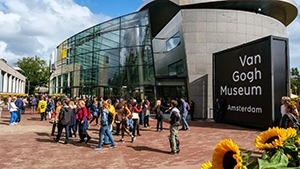
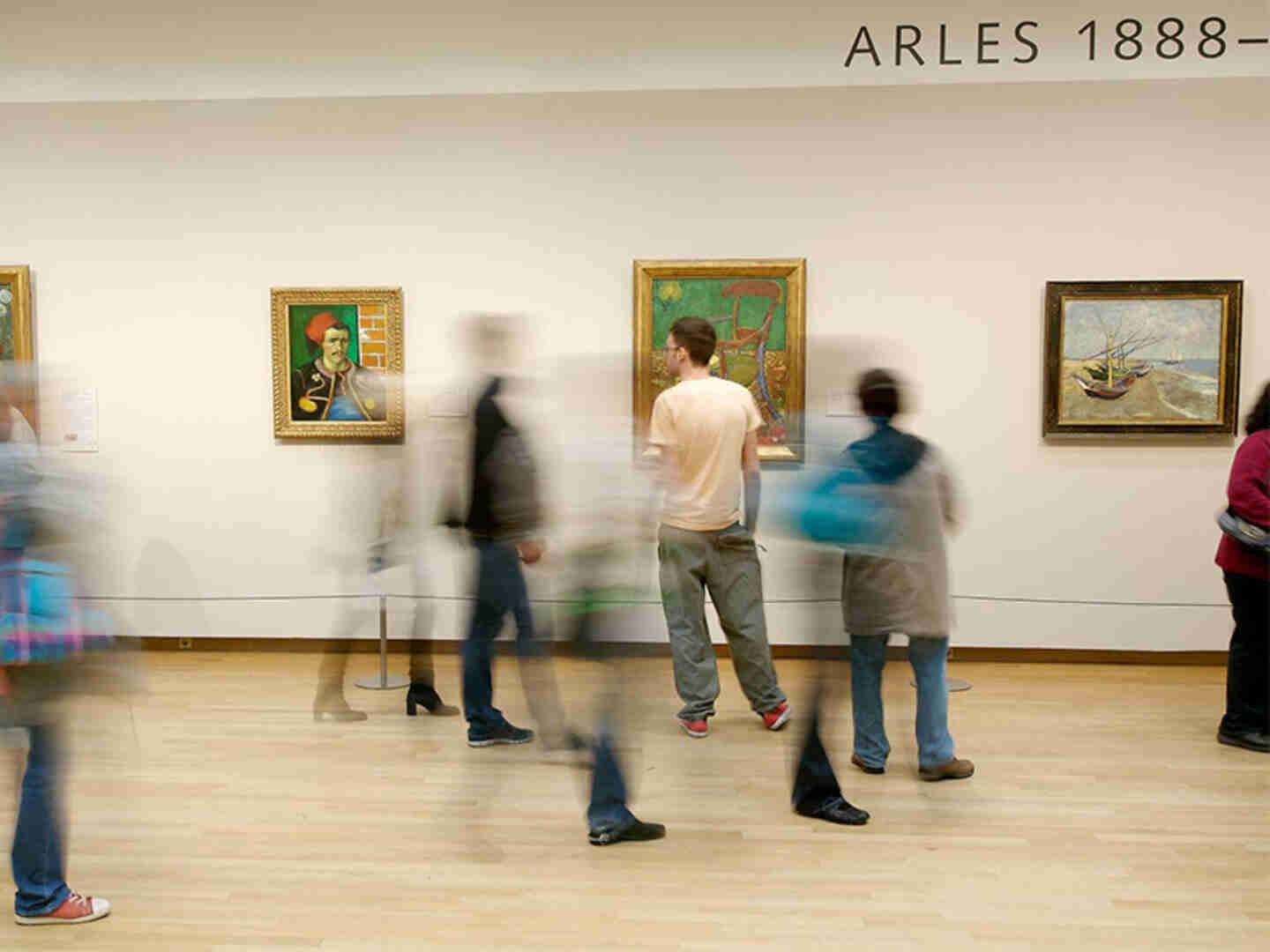
Welcome to Amsterdam — a city of canals, culture, and extraordinary art. For anyone drawn to Vincent van Gogh, the Van Gogh Museum is essential. It holds the largest collection of his work anywhere in the world, sitting on Museumplein right beside the Rijksmuseum, and it traces his entire artistic life across more than 200 paintings, 500 drawings, and around 700 letters.
That last number matters. The letters are how we know Vincent van Gogh — not just as a painter, but as a brother, a friend, a man wrestling with his own mind. Walking through these galleries, that intimacy is everywhere. Whether it's your first visit to Amsterdam or your tenth, an afternoon spent with Vincent van Gogh is never wasted.
The museum opens daily at 9 a.m., with extended hours until 9 p.m. on Fridays for the "Vincent on Friday" programme — a quieter, more atmospheric time to visit. From March through September, weekday hours run until 6 p.m. Opening times shift slightly with the seasons, so it's worth checking the official site before you go.
Tickets are timed-entry and sell out quickly in peak season. Adults pay €25, and visitors under 18 enter free. For a richer experience, our Van Gogh Museum private tour offers skip-the-line entry and expert commentary throughout, and we offer other museum tours in Amsterdam if you'd like to explore the Rijksmuseum next door as well.
The collection follows Vincent van Gogh's evolution from a sombre young Dutchman painting peasants to the colour-drenched master of Provence. Every room rewards attention, but a few works stop visitors in their tracks every time.
Painted in 1885, The Potato Eaters is Vincent van Gogh before the colour, before the swirl, before Arles. A peasant family gathers around a table to share a meal of potatoes under the dim glow of an oil lamp. The palette is dark and earthy by design — Vincent van Gogh wanted to honour the harshness of rural life, painting these people in their own world with hands that showed the soil they worked.
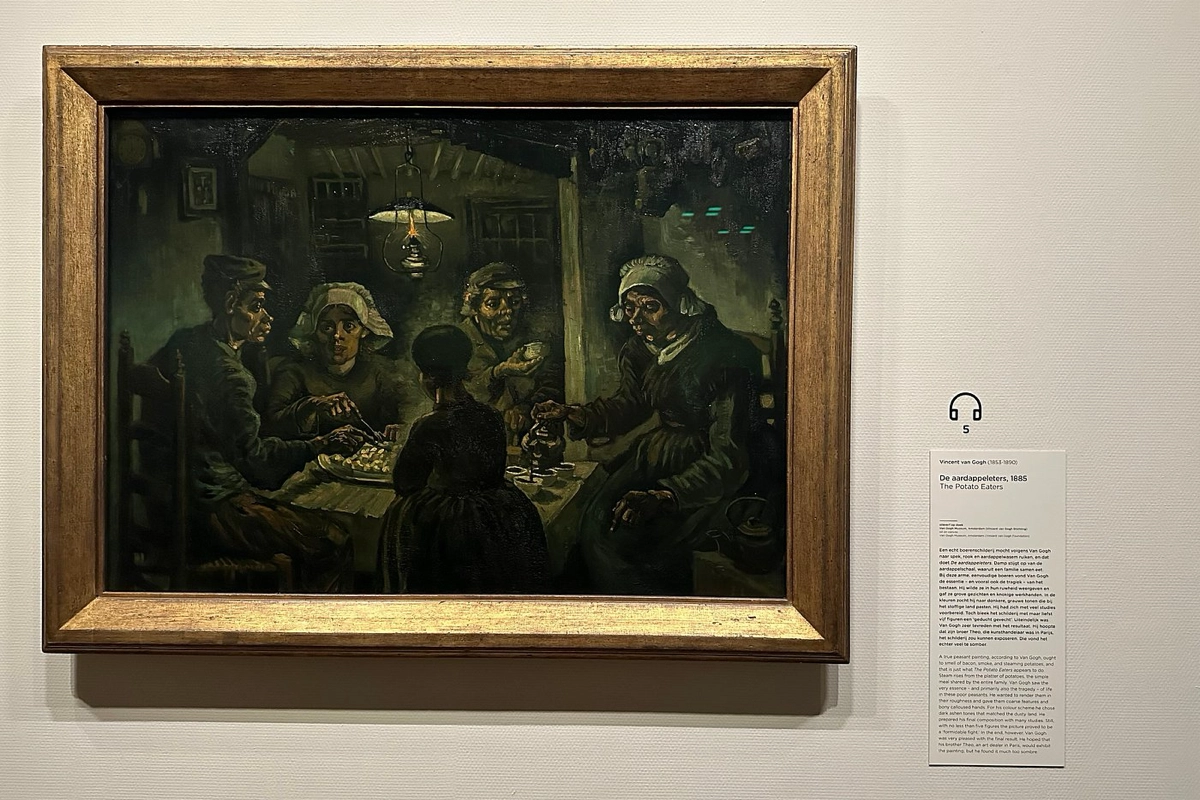
It's the cornerstone of his Dutch period and a window into the artist he was before Paris transformed him. You'll find it on Floor 0.
Guide Note:
This dark, earthy painting at first glance seems gloomy and somewhat depressing. What a terrible life these poor peasants live! But look closer and you'll see the lamp light illuminating the table not only shows us their exhaustion, fatigue and hands gnarled by hard work. You can also see their care, their concern for each other's wellbeing, their nurturing and love. This incredible painting shows Vincent's deep compassion for the working classes and their struggle for survival.
No image is more closely tied to Vincent van Gogh than the sunflowers. The version held in Amsterdam was painted in Arles in 1889 — a burst of yellow on yellow, a celebration of warmth and life. He painted several versions of this subject, originally intending them to decorate the guest room he was preparing for Paul Gauguin. For him, the sunflower carried meaning: gratitude, the cycle of life and death, something close to a personal signature.
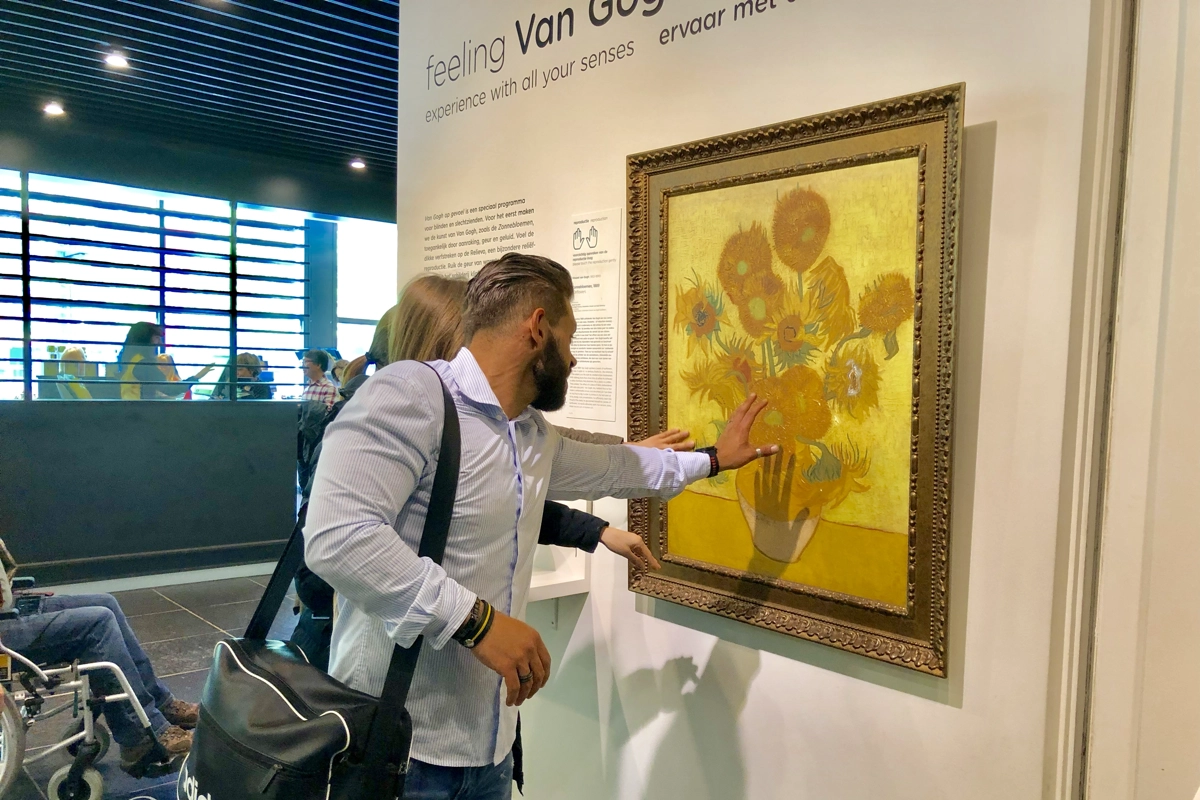
The thick impasto gives the petals a sculptural quality. Stand close, and the surface seems almost three-dimensional — paint applied so generously it casts its own small shadows.
Guide Note:
Visitors often ask me, "Did Vincent use gold flecks or glitter in Sunflowers?" He did not, but the texture of the thick application of the paint makes the gallery lighting bounce off, so the painting does appear to sparkle! Surprisingly, this vibrant painting is dull and faded compared to when Vincent first painted it, as the chrome yellow paint he used has darkened with age. Although he never fully explained the symbolism of the sunflower for him, he once wrote, "The sunflowers are mine." The fragility of this iconic piece means it will always be available to see when you join us on a Babylon Tour of the Van Gogh Museum, as the Museum has decided it will no longer travel the world on loan.
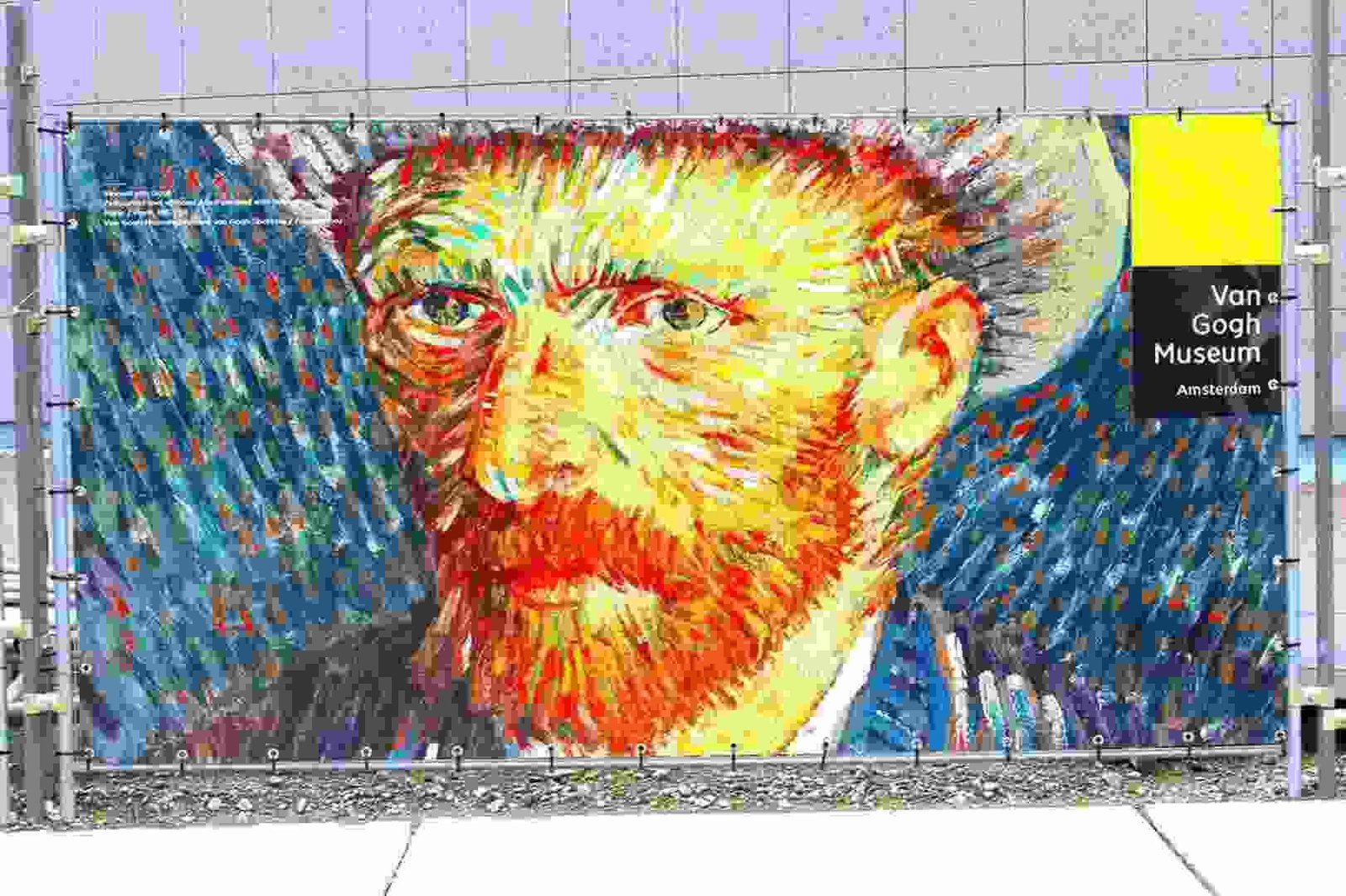
Across a single decade, Vincent van Gogh painted himself more than 30 times. This collection of self-portraits offers a profoundly intimate record of an artist wrestling with his own reflection — his features, his shifting moods, and his evolving vision — during the most turbulent chapters of his life. While he often turned to the mirror simply because he lacked the funds for a model, these works became something far more significant: a candid, unflinching dialogue with himself.
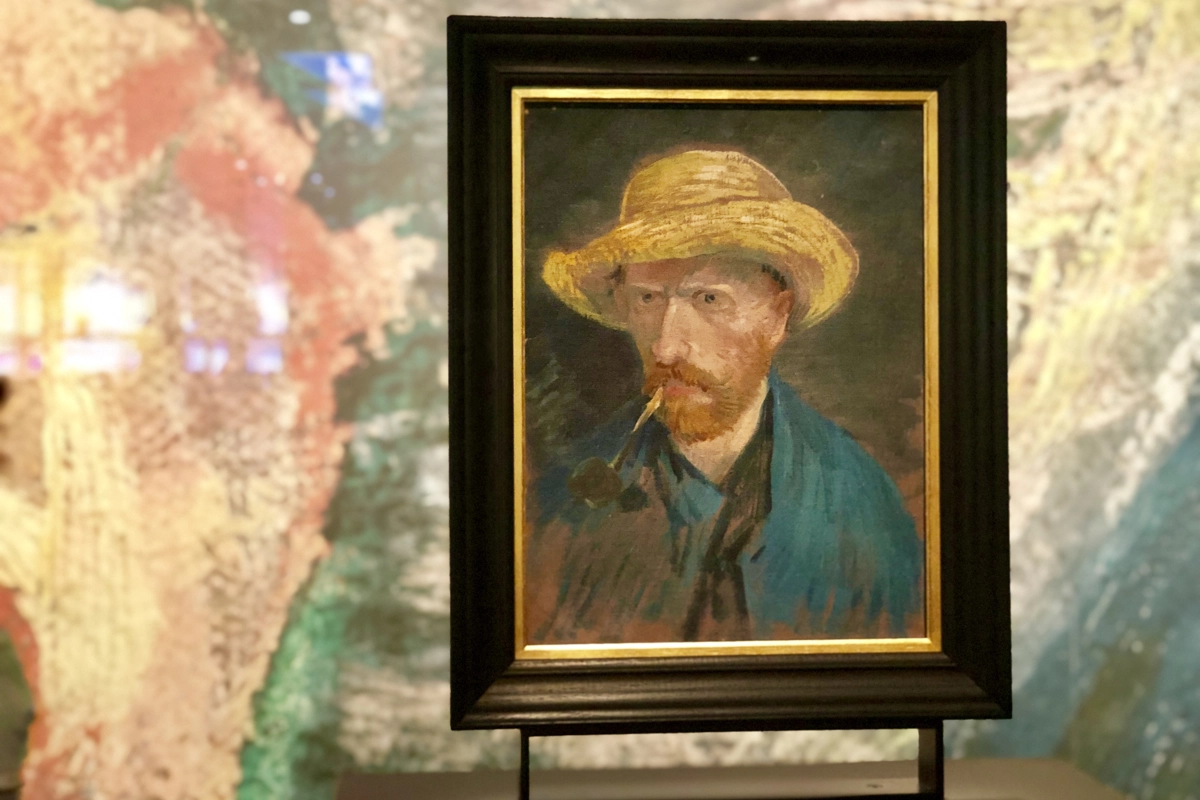
As you move through these galleries, you witness his transformation in real time. The sombre, muted palettes of his Dutch period give way to the vibrant, broken brushwork of Paris, eventually culminating in the charged, electric intensity of his final years in Provence. The gaze rarely falters. Together, these paintings represent one of the most honest and enduring self-examinations in the history of art, where every stroke feels like someone reaching across time.
Guide Note:
The Self-Portraits are my favourite section of the Museum, as it brings us closer to Vincent. I find these paintings astonishing in their simplicity. He paints himself with a neutral expression, turning slightly to the left or the right as he looks at himself in the mirror, then turns back to the canvas to paint. The majority of the self-portraits also have a neutral background. Yet we can sometimes see his anguish carved onto his emaciated features, his unkempt beard, or described in the harsh, dynamic, swirling halo of paint around his head. His eyes change colour and flash from turquoise blue to almost black, sometimes with deep shadows circling his sockets. They tell us so much without words.
Vincent’s artistic life was a brief but intensely restless journey. Across a single decade, his vision shifted with such force that his early Dutch studies and his final Provence canvases appear almost as the work of different hands. The museum’s layout allows you to follow this transformation in real time, witnessing the evolution of a master as it unfolds, stroke by stroke, across the galleries.
Vincent van Gogh's earliest years as a painter were spent in the Netherlands, and the work from this time is dominated by dark palettes, rough brushwork, and an unflinching focus on rural labour. The Potato Eaters belongs to this period, and so do the dozens of drawings that show Vincent van Gogh teaching himself the fundamentals — copying old masters, sketching peasants and weavers, working obsessively to master his craft. The mood is sober, even heavy, but the empathy is unmistakable.
The move to Paris in 1886 changed everything. Within two years, Vincent van Gogh's palette had brightened beyond recognition and his brushwork had loosened into something looser, quicker, more alive. Paintings such as View of Paris from Vincent's Room in the Rue Lepic show him absorbing the lessons of the Impressionists and Post-Impressionists in real time. It's one of the most rapid stylistic transformations in modern art, and the museum dedicates significant space to this turning point.
Arles and Saint-Rémy gave Vincent van Gogh his most productive years. The light of Provence, the colours of the countryside, the cypresses and the wheatfields — all of it poured into work that still feels electric. Sunflowers, The Bedroom, Irises, Wheatfield with Crows — these came in a torrent. The brushwork swirls and surges; complementary colours sit beside one another and seem to vibrate. Wheatfield with Crows, painted in 1890, is among the most arresting things in the building — a turbulent sky over a divided field, painted in the final weeks of his life.
The museum is also one of the world's leading centres for Van Gogh research. A team of conservators and scientists studies his materials and methods using imaging technology that can reveal what lies beneath the surface of a painting — earlier compositions, abandoned figures, the chemistry of pigments that have shifted over time. This work is part of why we now understand, for example, that the chrome yellows in Sunflowers once burned far brighter than they do today. The findings are shared with institutions around the world, and they continue to reshape how Vincent van Gogh's art is understood.
Vincent van Gogh painted for barely a decade, and for most of that time almost no one was looking. What survives is the work of a man who poured everything he had into seeing the world clearly and putting it down honestly. That's why these paintings still stop people. They aren't distant masterpieces — they feel like someone reaching across time.
Our Van Gogh Museum Private Tour offers skip-the-line entry and the kind of context that turns a good visit into a memorable one. If you'd like to explore further, our museum tours in Amsterdam include the Rijksmuseum just steps away.