Must-See Exhibits at the Natural History Museum, London


Blogs
London is a city of stories, but its most famous landmarks don’t always give up their secrets easily. You can stand in front of the Tower of London, a fortress that has dominated this city for nearly a thousand years, and see only stone. But with the right context, those stones begin to speak—of imprisoned queens, daring escapes, and the raw, unapologetic power of the medieval world. This is the difference between seeing London and truly understanding it.
As a guide, my job is to provide that context, turning a museum walk into a journey through time. This isn’t a checklist; it’s a curated look at eight essential London landmarks that tell the story of this city’s art, power, and history.
For a traveler who wants to understand the forces that shaped London, these eight locations are non-negotiable. Each represents a different pillar of English identity: global history, royal power, national faith, artistic genius, and political theater.
|
Landmark |
Best For |
Don't Miss |
Guide's Perspective |
|---|---|---|---|
|
Understanding world history |
The Rosetta Stone & Parthenon Marbles |
"It's a story of empires, told through the objects they collected." |
|
|
Deep time & the wonder of nature |
Hope the Blue Whale & Hintze Hall |
"A cathedral built not to a god, but to the living world itself." |
|
|
Tower of London |
Medieval power & royal drama |
The Crown Jewels & Traitors' Gate |
"This is where the monarchy's power was at its most absolute—and brutal." |
|
Royal ceremonies & English identity |
The Coronation Chair & Poets' Corner |
"More than a church, it's the nation's memory bank, written in stone." |
|
|
A masterclass in European art |
Turner's The Fighting Temeraire |
"You can see the entire history of painting unfold in two hours." |
|
|
Houses of Parliament |
Political history & Gothic architecture |
Westminster Hall (built 1097) |
"This is where centuries of debate and democracy have played out." |
|
Modern & British art |
Turner Bequest & Turbine Hall |
"Two galleries, one river, and the whole story of British art told between them." |
|
|
The modern, living monarchy |
The State Rooms & Changing the Guard |
"This isn't history behind glass—it's the monarchy still at work today." |
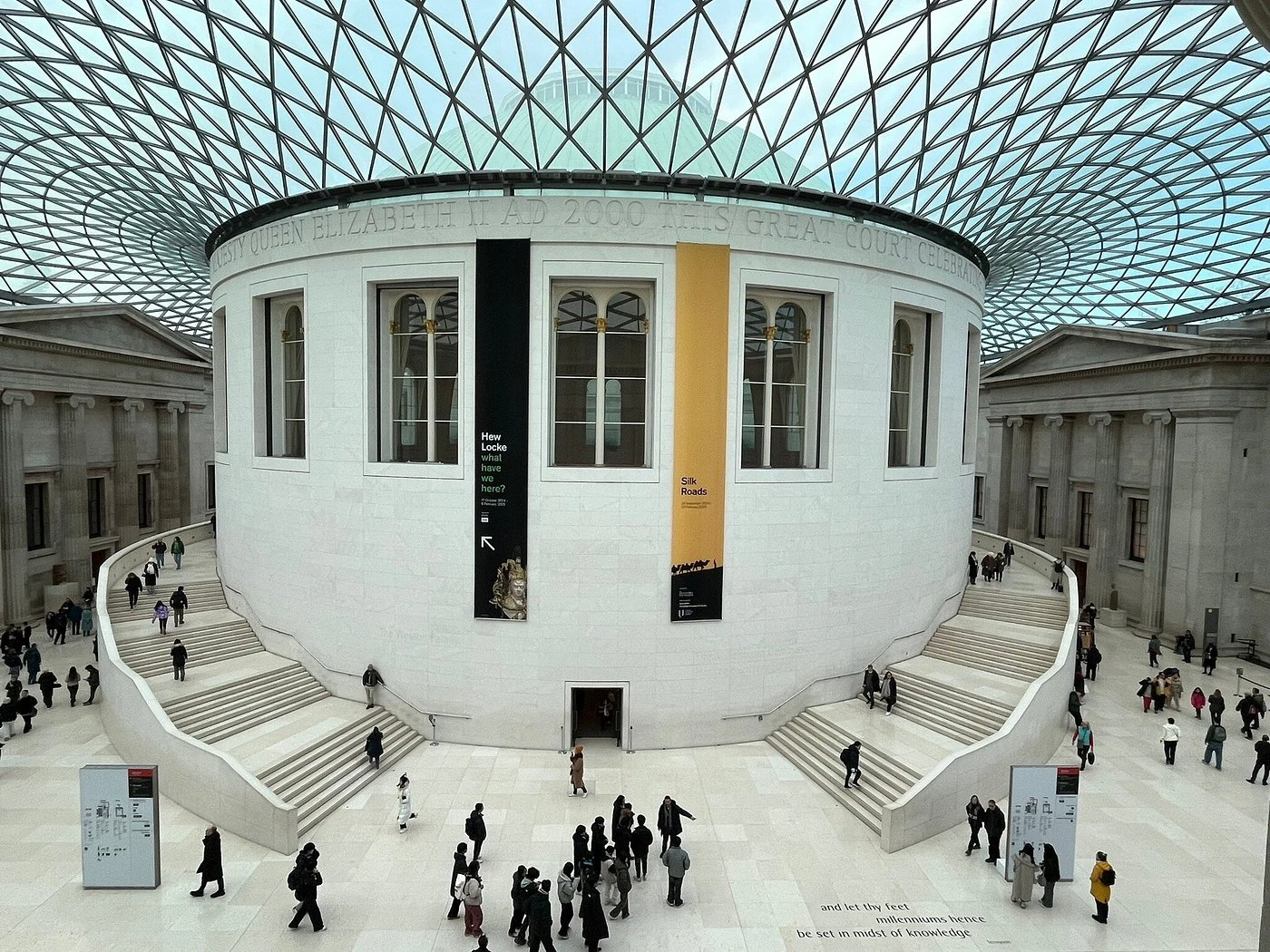
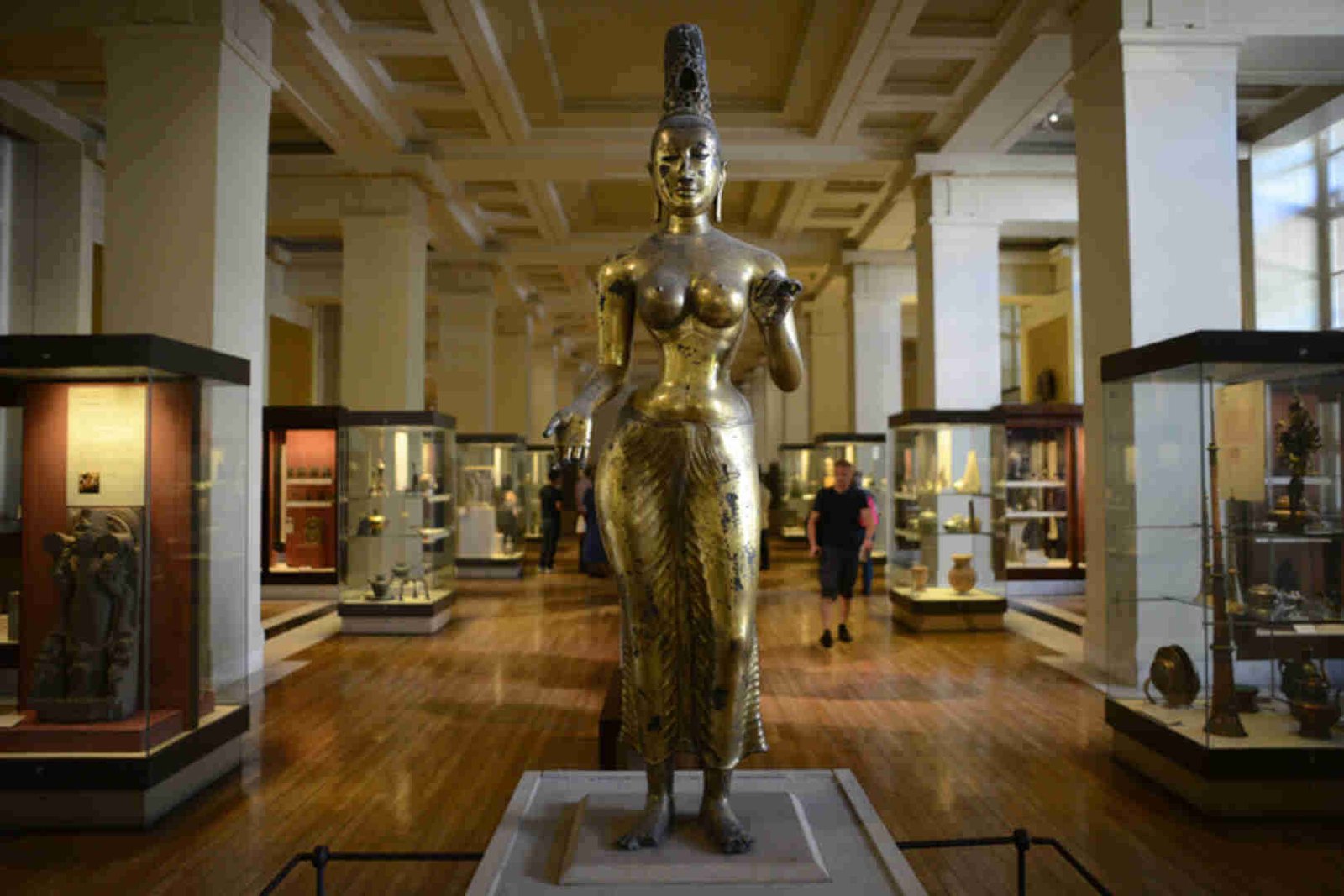
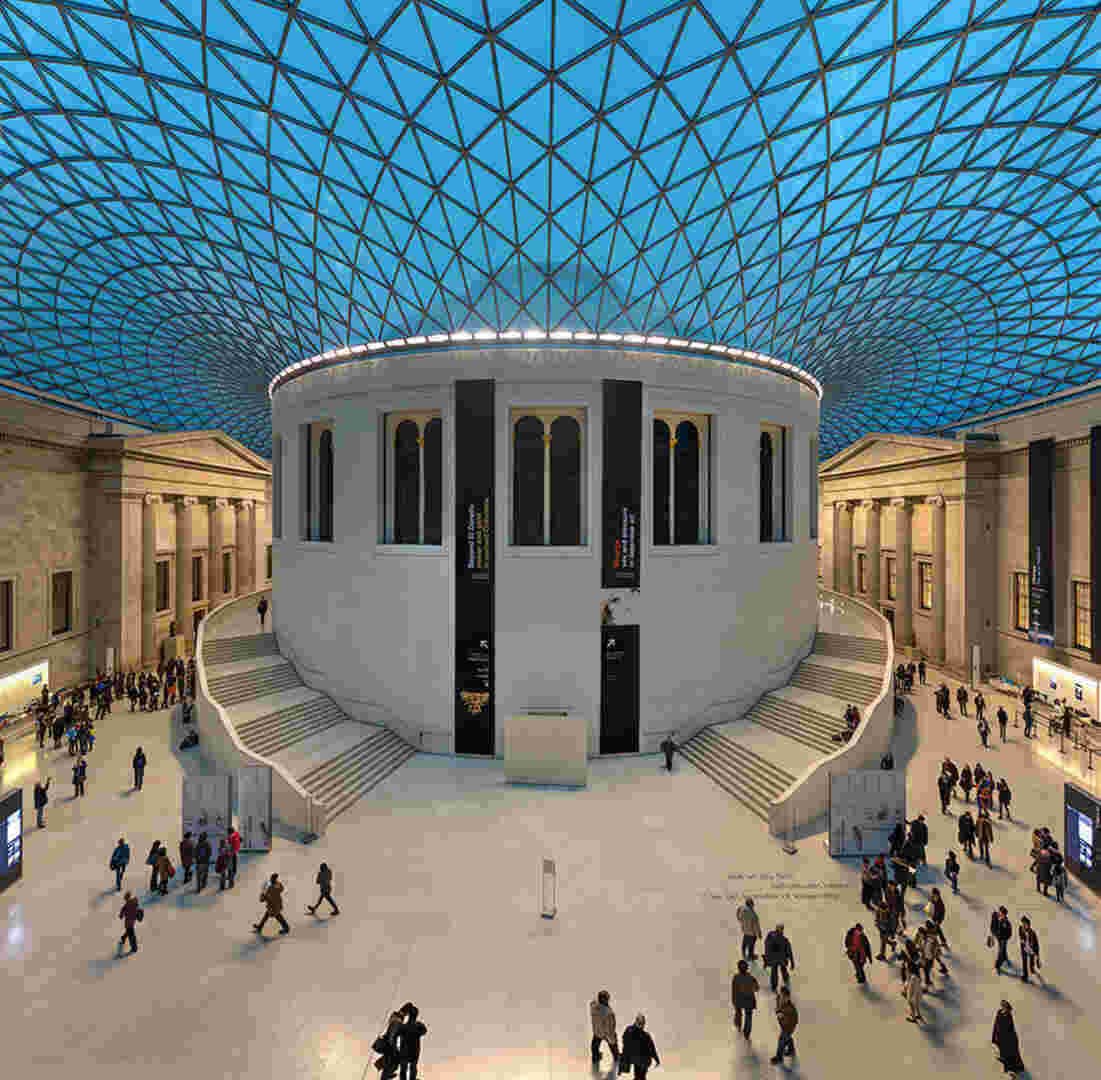
The British Museum isn’t just one of the UK’s most-visited attractions, with 7.1 million visitors in 2025; it’s a map of human civilization. Founded in 1753, its mission was radical for its time: to be a museum for the world, open to all “studious and curious persons.” That promise holds today. You can walk in for free and stand face-to-face with objects that have defined our understanding of history.
The scale is daunting. With 8 million objects spanning 2 million years, where to begin? Most visitors dash to the Rosetta Stone, but they miss its story: it was a governmental decree from Ptolemy V that, centuries later, became the key to unlocking the ancient Egyptian language.
What to Notice:
The Parthenon Marbles: Don't just look at them as sculptures. See them as a conversation about ownership, empire, and what it means to preserve culture. Feel the movement in the stone—the ripple of a horse’s muscle, the flow of a goddess’s robe. This was the pinnacle of Athenian art, and its presence here is one of the most debated topics in the museum world.
The Sutton Hoo Helmet: This Anglo-Saxon helmet, found in a Suffolk ship-burial, is a ghost from the Dark Ages. Its fierce, mustachioed face offers a rare glimpse into the world of Beowulf and the warrior kings who ruled England 1,300 years ago.
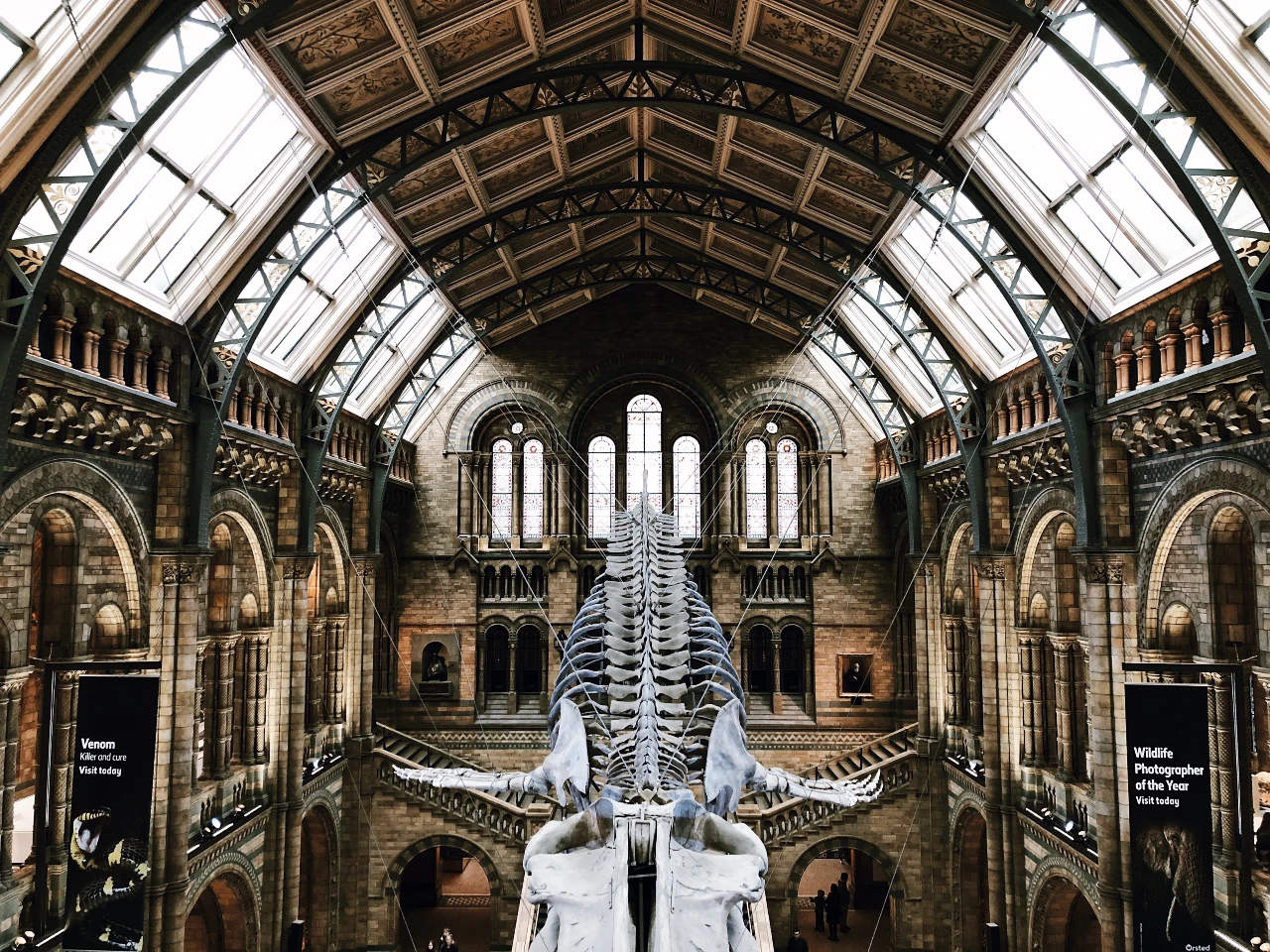
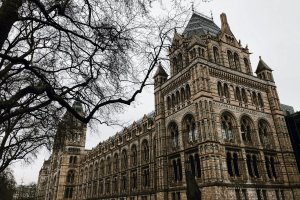
Some museums house art; this one houses life itself. The Natural History Museum opened in 1881, and from the moment you step into Hintze Hall, it is clear that its Victorian founders saw the study of nature as something close to a sacred act. Architect Alfred Waterhouse designed the building as a "cathedral to nature," and the comparison is no exaggeration—the soaring terracotta arches, the carved animals climbing the columns, the vast nave of a central hall. It is one of the most beautiful buildings in London before you have looked at a single exhibit.
Behind the spectacle sits one of the most important scientific collections on Earth: some 80 million specimens, from meteorites older than the planet to species collected by Charles Darwin himself. For the culturally curious traveller, the museum works on two levels at once—a grand day out for the family, and a profound meditation on deep time, evolution, and humanity's small place in a very old universe. It is free to enter, and endlessly rewarding.
What to Notice:
Hope, the Blue Whale in Hintze Hall: Suspended mid-dive above the main hall hangs the skeleton of a blue whale—the largest animal ever known to have lived. She replaced the beloved "Dippy" the diplodocus in 2017, and the choice was deliberate: a real specimen of a living species brought back from the brink of extinction, hung as a symbol of both fragility and hope. Stand beneath her and feel the scale.
The Treasures Gallery and the Darwin Centre: Tucked upstairs, the Treasures Gallery gathers the museum's most significant objects in one room—a first edition of On the Origin of Species, a piece of moon rock, a dodo skeleton. Then seek out the Darwin Centre's Cocoon, where you can watch working scientists among the specimens. It is a reminder that this is not a mausoleum of dead things, but a living research institution still expanding our understanding of the world.
There is a certain chill that runs through you when you pass through the gates of the Tower of London. This isn’t a palace built for comfort; it’s a fortress built to dominate. Founded by William the Conqueror in 1066, its story is the story of the English monarchy at its most ruthless. For every glittering coronation, there is a dark tale of imprisonment and execution hidden within these walls.
While the Crown Jewels are a must-see spectacle of royal wealth, the Tower's true soul is elsewhere. It’s in the prisoners' graffiti carved into cell walls, the chilling silence of Traitors’ Gate, and the legend of the ravens whose departure would mean the kingdom’s fall.
What to Notice:
The White Tower: This is the original fortress, the Norman keep that started it all. Feel the thickness of the walls. This was a statement of power, designed to intimidate the recently conquered Londoners. Inside, the Chapel of St. John the Evangelist is a stunning, serene space—a pocket of peace amidst the military might.
The Yeoman Warder Tours: Don’t just wander on your own. The ‘Beefeaters’ are not just guards; they are storytellers. Their tours are a mix of historical fact, theatrical drama, and dry wit. They are the living memory of the Tower, and their stories are what you’ll remember long after you’ve left.
Westminster Abbey is not a museum. It is a living church, and more than that, it is the soul of the nation. Since William the Conqueror was crowned here in 1066, every English and British monarch has had their coronation in this sacred space. To walk through its doors is to walk on the graves of kings, queens, poets, and scientists who defined a nation.
The weight of history is palpable. Your eyes are drawn to the fan-vaulted ceiling of the Henry VII Lady Chapel, a masterpiece of medieval architecture. But the Abbey's real power is under your feet, where you walk over the tombs of Elizabeth I, Charles Darwin, and Isaac Newton.
What to Notice:
The Coronation Chair: Tucked away and surprisingly plain, the chair used to crown 26 monarchs feels humble, almost forgotten. It's a powerful reminder that tradition is a living, breathing thing, not a polished artifact.
The Tomb of the Unknown Warrior: Near the entrance, this single tomb holds an unidentified British soldier from World War I. It is one of the most moving spots in all of London. It is a space for quiet reflection on the human cost of the grand histories celebrated elsewhere in the Abbey.
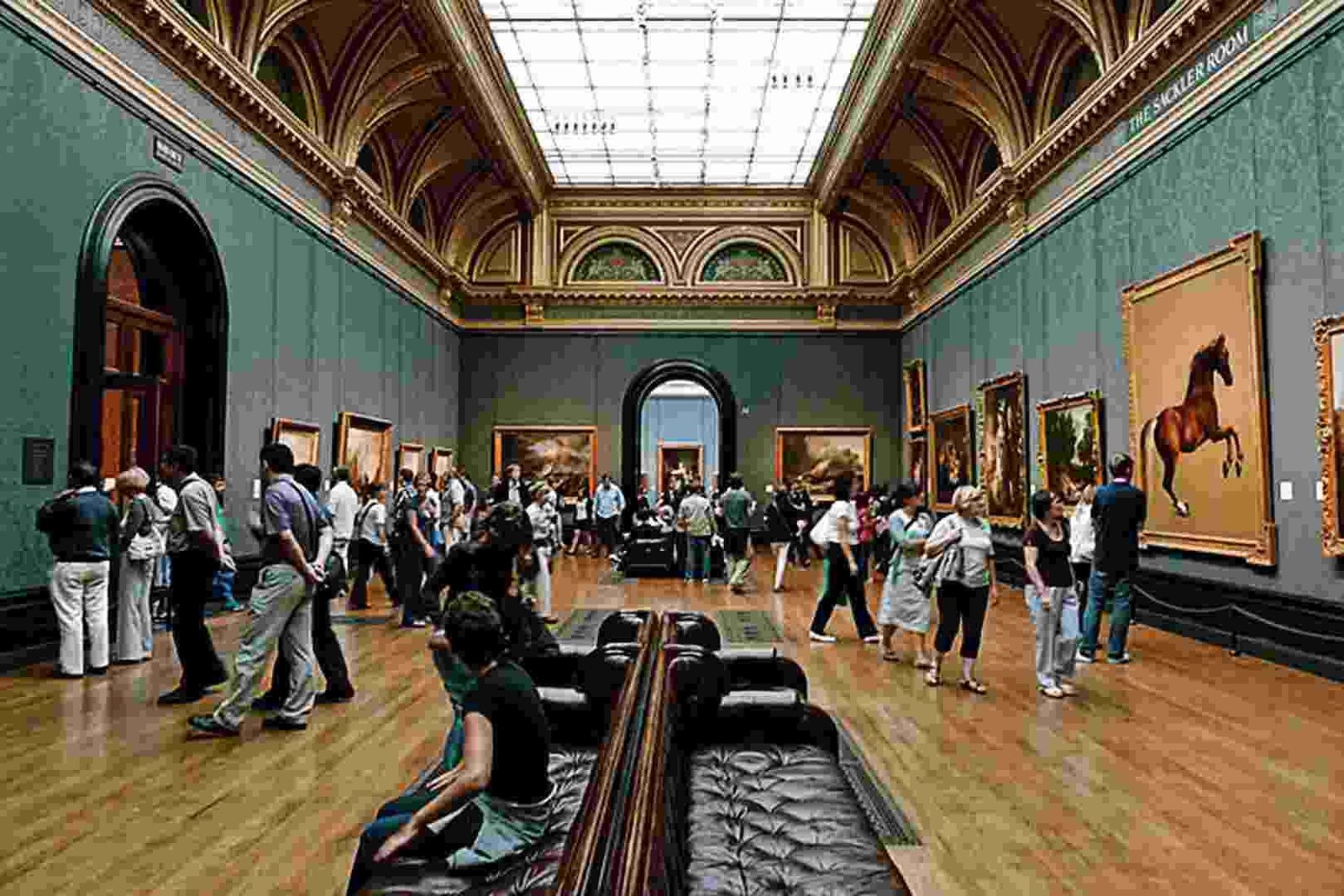
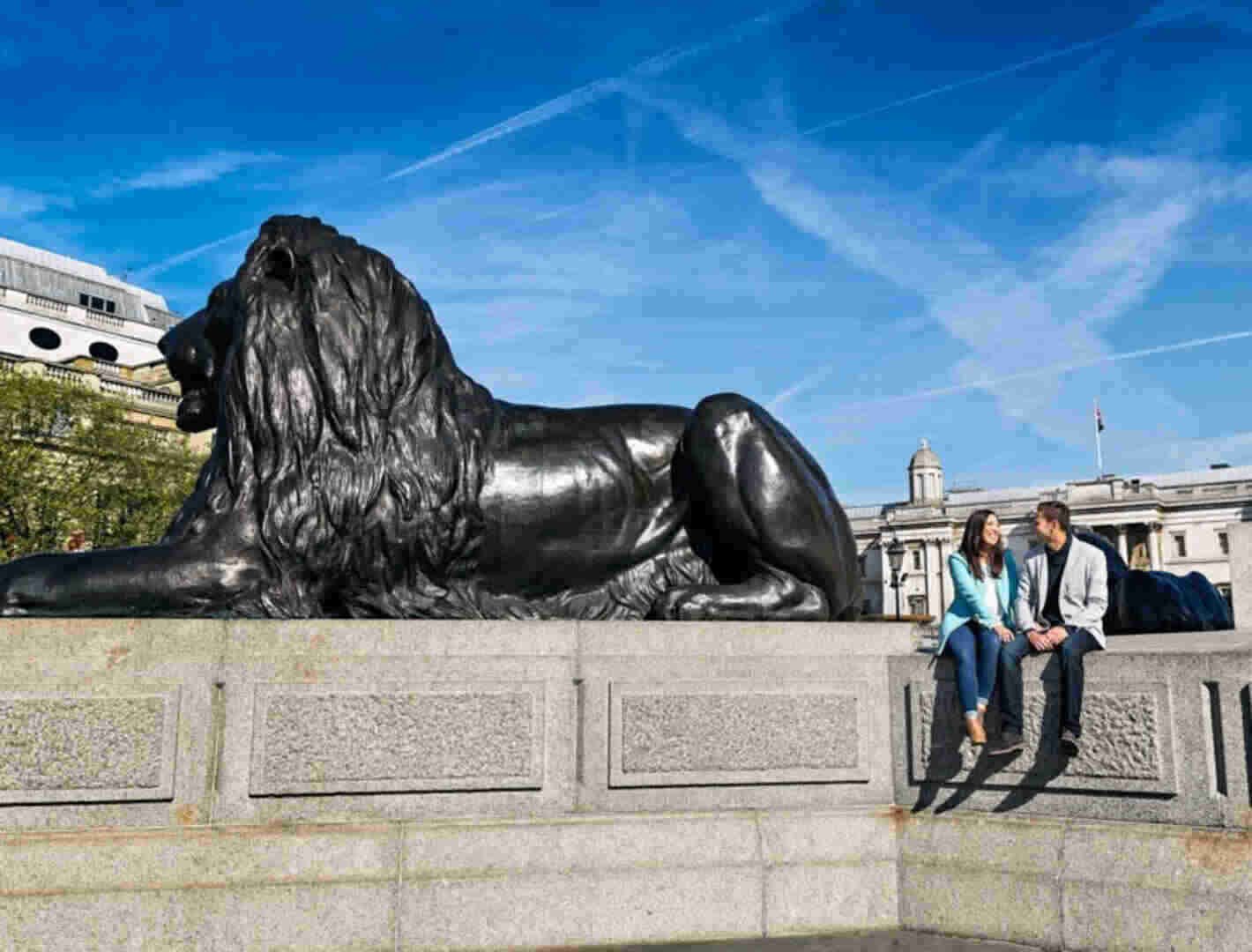
In Trafalgar Square, the National Gallery holds one of the world's most accessible collections of European painting. Founded in 1824 for the public, it tells the story of art from the 13th to the 20th century, from early religious icons to the revolutionary brushstrokes of the Impressionists.
Unlike the Louvre or the Prado, this was never a royal collection. It was built for you. You can see Leonardo da Vinci’s haunting Virgin of the Rocks, Velázquez’s daring Rokeby Venus, and Van Gogh’s explosive Sunflowers. But the joy of the National Gallery is finding the unexpected connections.
What to Notice:
The Wilton Diptych: This small, portable altarpiece from the late 1390s is a jewel box of a painting. The detail is exquisite, from the angels’ feathered wings to the tiny, detailed reflection of the castle in the orb atop the banner. It’s a glimpse into the intensely personal and precious world of medieval devotion.
Holbein's The Ambassadors: At first, it's a portrait of two wealthy men. But look closer. The painting is filled with objects of art and science, and an anamorphic skull is stretched across the bottom—a chilling reminder of mortality that snaps into focus when viewed from the side. It's a Renaissance masterpiece and a visual puzzle.
The silhouette of the Palace of Westminster, with Big Ben at its side, is London’s most famous symbol. It is a grand stage for the theater of democracy. While most of the building is a 19th-century Gothic Revival masterpiece, its heart is much older.
Stepping inside Westminster Hall, completed in 1097, is like traveling back in time. Its hammer-beam roof has witnessed the trials of kings and the foundational moments of the British state. The contrast between this ancient hall and the lively, modern debates of the House of Commons is compelling.
What to Notice:
The Architecture of Power: Notice how the House of Commons and the House of Lords are set up to face each other. This confrontational layout is fundamental to the British political system. The benches are packed close together. It’s designed for passionate debate, not quiet consensus.
The Statues in Parliament Square: Before you even go in, look at the statues outside. You’ll find not just British Prime Ministers like Churchill and Peel, but also international figures like Nelson Mandela and Abraham Lincoln. It’s a statement about the global impact of the decisions made inside these walls.
If the National Gallery tells the story of European painting up to about 1900, the Tate picks up where it leaves off, and tells the story of British art in particular. What began in 1897 as a single gallery on Millbank, funded by sugar magnate Sir Henry Tate, has grown into a family of four galleries. For a visitor to London, two matter most, and they sit at opposite ends of a short river journey that itself frames the whole arc of British art.
Tate Britain, the original home on Millbank, holds the world's greatest collection of British art from 1500 to the present, anchored by the incomparable Turner Bequest. Tate Modern, housed in the cavernous former Bankside Power Station across the river, is one of the world's most visited museums of modern and contemporary art. Both are free to enter, and both reward the visitor who comes not to tick off famous names but to watch a national imagination change over five centuries.
What to Notice:
The Clore Gallery at Tate Britain: This is where Turner lives. In 1856 the artist left nearly his entire studio to the nation with some 300 paintings and 30,000 works on paper, and the Clore Gallery displays them as he intended, in natural light. Don't rush the finished seascapes; linger over the late, half-abstract studies where sea, sky, and steam dissolve into pure light. You are watching a painter invent modern art half a century early.
The Turbine Hall at Tate Modern: Before you look at a single painting, stand in the vast, sloping hall that once housed the power station's generators. Since 2000 it has hosted some of the most ambitious commissioned artworks in the world; a giant sun, a crack in the floor, a field of ceramic seeds. It is a space designed to make you feel small, and to remind you that art can be an event, not just an object on a wall.
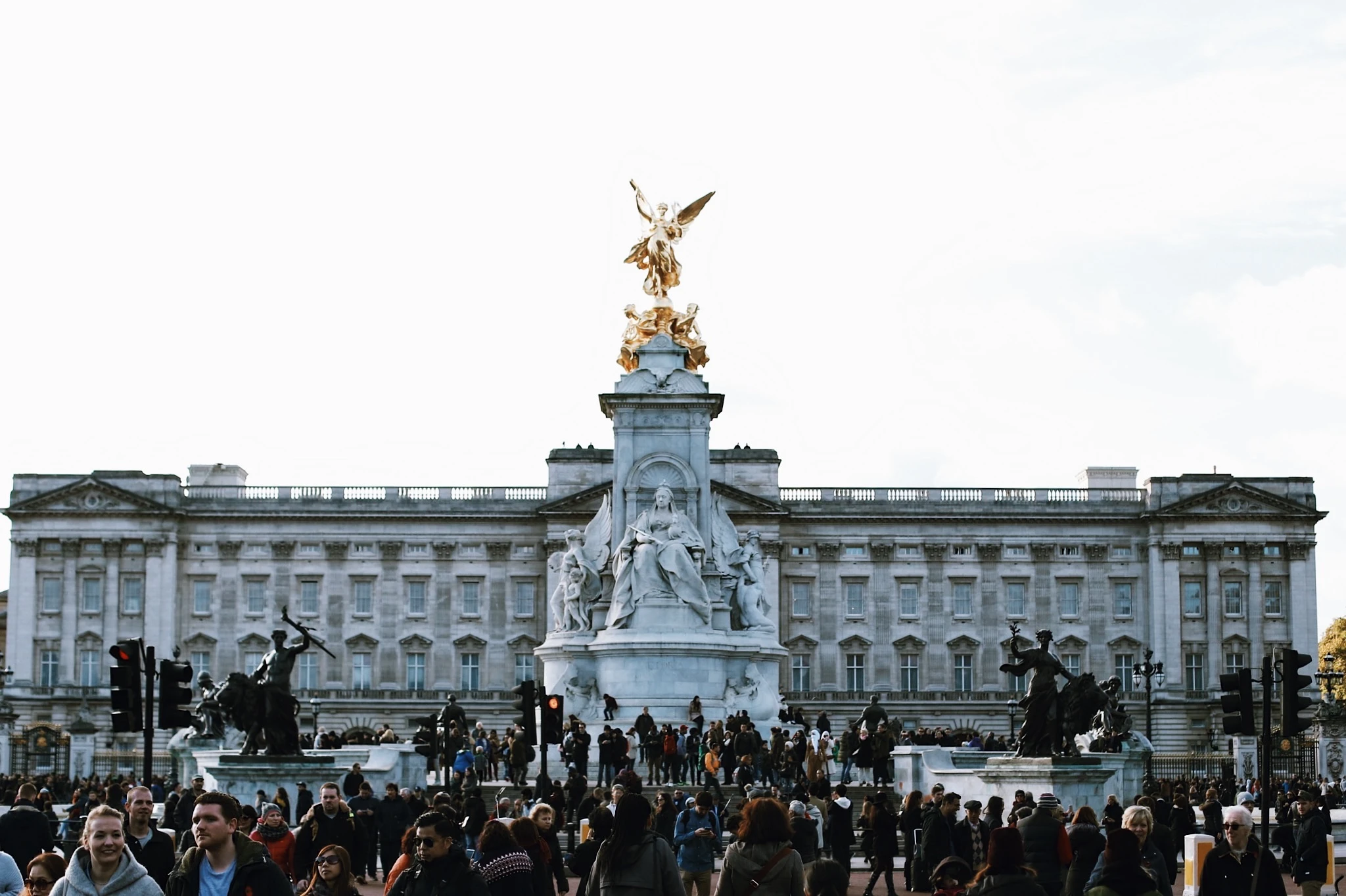
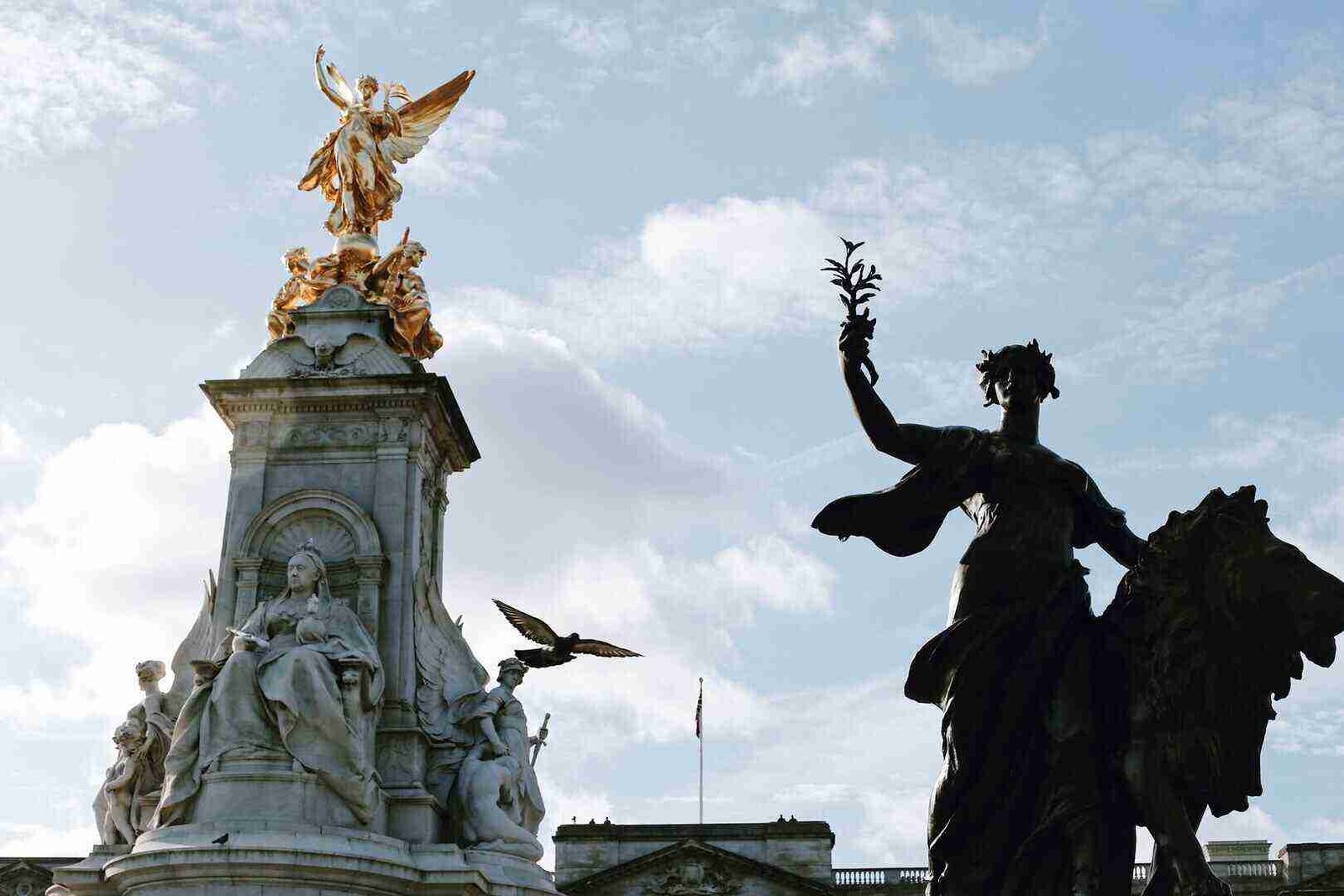
For all its fame, Buckingham Palace is often misunderstood. It is not an ancient royal seat like the Tower or a place of coronation like the Abbey—it is a working building, the administrative headquarters of the monarchy and the London residence of the sovereign since Queen Victoria moved in in 1837. The flag flying above tells you whether the King is home: the Royal Standard when the monarch is in residence, the Union Flag when they are away. To understand the modern monarchy—part institution, part family, part public theatre—this is where you look.
Most visitors come for the spectacle of Changing the Guard, and it is worth seeing, but the palace rewards those who go deeper. In the summer months, when the King is away in Scotland, the State Rooms open to the public, offering a rare glimpse into the rooms where heads of state are received and investitures are held. These are not roped-off museum pieces; they are the lavish, gilded spaces where the business of royal ceremony is still conducted today.
What to Notice:
The Changing of the Guard: Don't just watch the marching—read the ritual. The handover of duty between the Old Guard and the New Guard, accompanied by a regimental band, is a piece of living military tradition dating back centuries. Arrive early and stand near the gates or the Victoria Memorial for the best view, and notice the precision: every movement is drilled to the second.
The State Rooms and the Picture Gallery: If you visit in summer, the nineteen State Rooms are the highlight. The Picture Gallery holds masterpieces from the Royal Collection by Rembrandt, Rubens, and Vermeer—one of the finest private art collections in the world, hidden in plain sight. Look up, too: the ceilings and chandeliers are as much a statement of power and taste as any painting on the walls.
Don’t try to see all of London in one day. Pick one or two landmarks and give them the time they deserve. The major museums are free, but booking a timed slot online is wise. For paid sites like the Tower of London and Westminster Abbey, booking tickets in advance is essential. Babylon Tours offers a full complement of London tours and can help you navigate this historic city.
Above all, remember these places were built to inspire awe, to tell stories, and to connect us to the past. Go with curiosity, ask questions, and look for the human stories behind the grand facades. That is how you will find the true beauty of London.

Arno Azoulay is a tour guide turned Cofounder-CEO, known for crafting engaging, small-group museum experiences.
Arno has worked in the travel industry since 2010, beginning his career as tour guide in Paris, where he spent several years personally guiding visitors through Paris. He quickly recognized how overwhelming major museums can feel for first-time visitors and in 2012 began designing his own “crash course” Louvre and Musée d’Orsay tours, built on a philosophy of story-telling, performance and adapting to guest interests. He officially founded Babylon Tours in 2013, which has since expanded across multiple cities with hundreds of guides. Today he continues to shape Babylon Tours' on-the-ground tour experience and writes travel content inspired by the original Paris frameworks and itineraries.