The Metropolitan Museum of Art's Best Paintings


Blogs
If you're planning a trip to Amsterdam, the Rijksmuseum should be at the top of your must-visit list. This iconic museum houses some of the world's most celebrated Dutch paintings, offering you an unforgettable journey through centuries of artistic brilliance. From Rembrandt's breathtaking Night Watch to Vermeer's intimate domestic scenes, the Rijksmuseum collection represents the pinnacle of Dutch Golden Age artistry.
The Rijksmuseum isn’t just another art museum—it’s the beating heart of Dutch cultural heritage. Since its founding, this institution has dedicated itself to preserving and showcasing the Netherlands’ most treasured artworks, making it an essential destination for anyone interested in exploring the rich tapestry of Dutch art history.
When you visit Amsterdam, you’ll find that the museum serves as a cultural anchor in the city’s vibrant Museumplein district. The Rijksmuseum’s famous paintings attract over two million visitors annually, each eager to witness masterpieces that have shaped the course of Western art. The museum’s commitment to accessibility and education has made these priceless works available to audiences worldwide, while its expertly curated galleries guide you through the evolution of Dutch artistic expression. Many visitors find that seeing the collection as part of a guided Rijksmuseum museum tour helps connect individual masterpieces into a clearer historical narrative.
|
Guide Tip |
|
Many of the Dutch Golden Age masterpieces at the Rijksmuseum were originally commissioned by 17th-century Amsterdammers to adorn their private homes. This makes the museum a true “Chamber of Curiosities” for the city itself. Incredibly, we can still pinpoint the exact canal houses where some of these iconic works were first displayed. |
Before you even step inside, you'll be struck by the building itself—a magnificent example of Gothic and Renaissance revival architecture. Designed by Pierre Cuypers and opened in 1885, the structure was conceived as a cathedral of art, with its red brick façade, ornate towers, and intricate detailing reflecting the grandeur of the collections housed within.
The building underwent an extensive ten-year renovation from 2003 to 2013, transforming the museum into a modern institution while respecting its historical character. When you walk through the building today, you'll experience the perfect marriage of 19th-century ambition and 21st-century museum design, with natural light flooding the galleries and sight lines carefully crafted to enhance your viewing experience.
To make the most of a visit to the Rijksmuseum in Amsterdam, it helps to plan with the rhythm of the museum in mind. Crowds tend to build throughout the day, particularly during the busier travel months from April through September and on weekends. Arriving early, when the museum opens at 9 a.m., allows for a quieter experience and more time to engage with the works without distraction.
For those interested in understanding the Rijksmuseum collection in greater depth, a structured approach to the galleries can reveal connections between artists, periods, and themes that aren’t always immediately obvious from gallery labels alone. Pairing the Rijksmuseum with visits to other major museums in Amsterdam also offers a broader perspective on the city’s artistic and cultural development.
You can't visit the Rijksmuseum without experiencing Rembrandt van Rijn's legendary Night Watch. Painted in 1642, this monumental work—officially titled "Militia Company of District II under the Command of Captain Frans Banninck Cocq"—revolutionized group portraiture and remains one of the most famous Dutch paintings in existence.
The Night Watch stands as one of Amsterdam's most extraordinary treasures because it revolutionized how artists approached group portraiture, transforming a static commission into a dynamic theatrical scene. Measuring nearly 12 by 14 feet, this Amsterdam masterpiece commands attention the moment you enter its gallery at the Rijksmuseum. But size alone doesn't explain its fame. Rembrandt transformed what could have been a conventional lineup of militia members into a scene bursting with movement and drama. Instead of arranging his subjects in neat rows, he captured them in action—as if you've stumbled upon the civic guard company at the precise moment they're mobilizing for duty.
The painting's dramatic use of light and shadow, a technique known as chiaroscuro, creates a theatrical atmosphere that draws your eye across the canvas. Notice how Rembrandt illuminates certain figures while casting others into shadow, creating depth and hierarchy within the composition. The young girl in a golden dress, bathed in light and carrying a chicken, remains one of art history's most debated elements—is she symbolic, or simply a clever compositional device?
Recent restoration efforts, completed in 2019, used cutting-edge technology to clean and stabilize the painting while revealing details that had been obscured for centuries. The project was conducted in full public view within a specially constructed glass chamber, allowing visitors to watch conservators at work—a testament to the museum's commitment to transparency and education.
Recent restoration efforts, which began in 2019, use cutting-edge technology to clean and stabilize the painting while revealing details that have been obscured for centuries. The project is being conducted in full public view within a specially constructed glass chamber, allowing visitors to watch conservators at work—a testament to the museum's commitment to transparency and education.
|
Guide Tip |
|
One of the biggest surprises for my guests is discovering that The Night Watch was originally even more massive. In the 18th century, the canvas was actually trimmed down to fit a specific wall in the Amsterdam City Hall (now the Royal Palace on Dam Square). Because of this “renovation”, we’re actually missing two men who originally stood on the far left side of the scene. |
The Rijksmuseum has designed a dedicated space that allows you to appreciate every nuance of this masterpiece. The gallery provides optimal viewing distance and lighting that mimics the natural light conditions Rembrandt would have painted under. Take your time here—walk up close to examine the incredible brushwork, then step back to appreciate the composition as a whole. You'll notice details you missed on first glance: the expressions on individual faces, the glint of metal on weapons, the subtle interactions between figures.
The 17th century marked the Dutch Golden Age, a period of unprecedented prosperity and artistic achievement. The Rijksmuseum most famous paintings from this era capture the essence of Dutch society—its merchants, its domesticity, its landscapes, and its self-confidence. Beyond Rembrandt, you'll encounter works by masters like Johannes Vermeer, Frans Hals, and Jan Steen, each offering unique insights into this fascinating period.
Johannes Vermeer's "The Milkmaid" (c. 1658-1660) exemplifies the artist's genius for transforming everyday scenes into something transcendent. This relatively small painting depicts a kitchen maid pouring milk, yet Vermeer elevates this mundane task into a moment of quiet dignity and beauty.
What you'll immediately notice is Vermeer's masterful handling of light. Observe how sunlight streams through the window, illuminating the maid's face and arms while casting soft shadows across the room. The way light catches the texture of the crusty bread and the thick stream of milk demonstrates Vermeer's extraordinary observational skills and technical precision.
The composition's simplicity is deceptive. Every element is carefully placed to create balance and harmony. The maid's sturdy form anchors the painting, while the still life on the table provides a counterpoint of delicate detail. Even the wall's rough plaster texture receives Vermeer's careful attention, adding authenticity to the domestic setting.
"The Milkmaid" represents more than just artistic skill—it reflects Dutch society's appreciation for everyday labor and domestic virtue. In Vermeer's hands, a working woman becomes a subject worthy of the same attention traditionally reserved for nobility or religious figures.
Frans Hals brought an entirely different energy to Dutch Golden Age painting. His "Merry Drinker" (c. 1628-1630) captures a jovial man raising his glass in a toast, and you can practically hear his laughter. Hals's loose, spontaneous brushwork was revolutionary for its time, anticipating the techniques that Impressionist painters would adopt centuries later.
Look closely at how Hals captures the subject's expression and gesture with remarkable economy of means. His brush strokes are visible and energetic, creating a sense of immediacy that makes you feel like you're encountering a real person rather than a formal portrait. The glint in the drinker's eye, the slight turn of his body, the casual grip on the glass—all convey personality and moment in a way that more tightly rendered paintings cannot.
This style exemplifies what made Hals such an influential portrait painter. He brought life and spontaneity to portraiture, capturing not just physical likeness but the essence of his subjects' personalities. His technical innovations influenced generations of artists and remain relevant to portrait painting today.
While the Rijksmuseum collection is renowned for its 17th-century masterpieces, the Amsterdam museum houses important works spanning eight centuries of art history. You'll discover medieval religious art, 18th-century aristocratic portraits, and even modern and contemporary pieces that dialogue with the historical collection.
Don't miss Rembrandt's later self-portraits, which offer a moving chronicle of the artist's aging and changing fortunes. "The Jewish Bride" (c. 1665-1669) showcases Rembrandt's mature style, with its thick impasto paint application and profound emotional depth. The tender intimacy between the couple has made this one of the most beloved paintings in the Rijksmuseum.
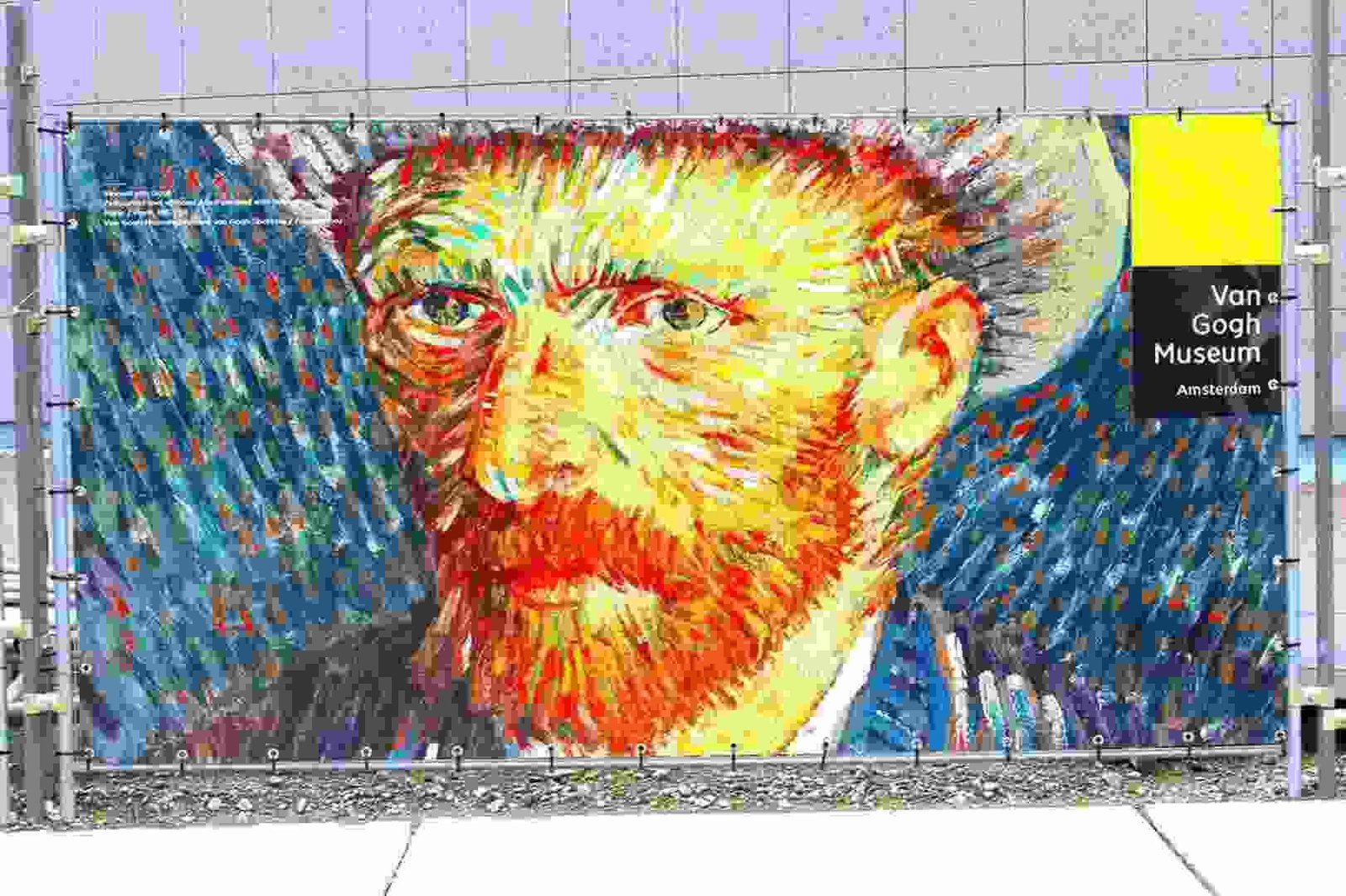
The Rijksmuseum also features works by Vincent van Gogh, though his major collection resides in the neighboring Van Gogh Museum. Still, you'll find his "Self Portrait as a Painter" here, offering insights into the artist's self-perception and technique.
With so many famous works drawing crowds, it's easy to overlook some equally magnificent pieces. As you explore, seek out Jan Steen's genre paintings, which offer humorous and sometimes moralizing glimpses into Dutch domestic life. His compositions are busy and detailed, rewarding careful examination with hidden jokes and symbolic elements.
The gallery of Dutch landscapes provides a peaceful respite from the more crowded masterpiece galleries. Here you'll find sweeping vistas, dramatic seascapes, and intimate woodland scenes that showcase how Dutch artists pioneered landscape painting as an independent genre.
The Rijksmuseum also houses an impressive collection of miniatures, delftware, and other decorative arts that demonstrate the Dutch Golden Age's excellence extended beyond painting into all aspects of material culture.
The permanent Rijksmuseum collection represents just part of what the Rijksmuseum offers. Throughout the year, the museum presents rotating exhibitions that explore specific artists, themes, or periods in greater depth. These special exhibits often bring in loans from other institutions, giving you opportunities to see works that rarely travel.
Beyond these temporary exhibitions, the museum's own collection holds far more treasures than the Rijksmuseum most famous paintings that dominate the main galleries. In the quieter upper-floor galleries, you'll discover additional painted masterpieces by the same Dutch Golden Age masters. Here you can find lesser-known works, preliminary studies, and smaller paintings that reveal the creative processes behind the celebrated pieces downstairs. These galleries offer a more intimate viewing experience where you can appreciate the brushwork and technique of artists like Rembrandt, Vermeer, and Hals without the crowds gathered around their most famous works—often making for a more rewarding and contemplative encounter with Dutch Golden Age painting.
The Rijksmuseum embraces technology to enhance your experience. The museum's free multimedia guide provides detailed information about highlights and allows you to create personalized tours based on your interests. Interactive displays throughout the galleries help you understand artistic techniques and historical context.
Family-friendly programs make art accessible to younger visitors, with activity trails, workshops, and special children's galleries designed to engage curious minds. The museum's education department has developed innovative approaches to making art history relevant and exciting for all ages.
To truly experience the masterpieces at the Rijksmuseum, plan for at least three to four unhurried hours, arrive early to avoid crowds, and focus on deeply engaging with the works that resonate most with you rather than rushing through every gallery. Photography without flash is permitted throughout most of the museum, allowing you to capture memories and share your favorite discoveries. However, we recommend spending time simply looking rather than viewing everything through your phone screen. The paintings were created to be experienced directly, and no reproduction can match the impact of standing before the actual artwork.
|
Guide Tip |
|
After a few hours lost in the galleries, there’s nothing quite like a break at the Rijksmuseum Cafe. Sitting there, surrounded by Pierre Cuypers’ magnificent 19th-century architecture with a coffee and a slice of classic Dutch apple pie, you finally have a moment to let the art sink in. It’s the perfect spot to recharge before diving back into the museum’s treasures. |
Focus on the periods and styles that interest you most rather than attempting to see everything in the Rijksmuseum collection. The Gallery of Honour, stretching through the heart of the building, provides an excellent overview of the most important works and serves as an ideal starting point for your visit.
The museum's location in Amsterdam's Museumplein makes it easy to combine with visits to the Van Gogh Museum and Stedelijk Museum, both within walking distance. The surrounding Amsterdam neighborhood offers excellent cafes and restaurants for breaks between cultural experiences—perfect for discussing your favorite discoveries over coffee or lunch.
The Rijksmuseum offers an incomparable journey through Dutch artistic achievement, from the intimate domestic scenes of Vermeer to the bold innovation of Rembrandt's Night Watch. Every visit reveals new details, new favorites, and new appreciation for how these famous Dutch paintings continue to speak across centuries. Whether you're an art history expert or a curious first-time visitor, the museum's treasures will inspire, educate, and delight you. Start planning your visit today and discover why these masterpieces have captivated audiences for generations.